 I imagine that most pet parents try to read the ingredients listed on the bags of dog food and dog treats they are considering for their canine family.
I also imagine that the frustration of trying to decipher the ingredient label on a dog consumable product usually starts less than halfway through the read. Why are they so complicated? What are some of these unpronounceable and articulationally challenging ingredients, and what do they do?
I plan to do an article about the expected conventional “food” ingredients, like chicken or beef, but this post is directed toward the “unknown, unexpected, unwanted, unheard-of, and unhealthy additives. You know, the long chemical words or abbreviations that are not actually food. These additions are flavor enhancers, supplements, vitamins, minerals, preservatives, and fillers.
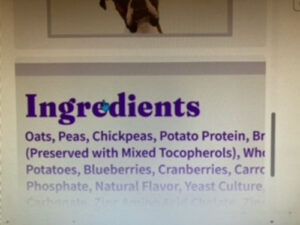 Let’s start. This is one of the good guys…MIXED TOCOPHEROLS. These are natural compounds derived from vegetable oils, nuts, seeds, and leafy greens and are part of the vitamin E family.
In place of toxic synthetic chemicals used as preservatives in dog food, mixed tocopherols help extend shelf life and provide additional health benefits. It is easy to spot in the ingredient list. There are countless dog foods available without synthetic preservatives.
One of the bad guys is BHA. According to WIKIPEDIA, the U.S. National Institute of Health reports that BHA is reasonably anticipated to be a human carcinogen based on evidence of carcinogenicity in experimental animals.
 Sometimes disguised on food labels as vegetable oil in our favorite snacks, BHA is used in the processing of potato chips, crackers, cereals, chewing gum, and other snack foods, as well as margarine and baked goods.
The major difference in consumption is that it increases the health risk caused by BHA in canines compared to humans. Canines, for the most part, are fed the same foods daily without variation, leading to a buildup of BHA, whereas humans have a wide variety of foods in their diets.
 How are these chemicals disguised in our foods? Vitamins, premixes, or vitamin packs are third-party-sourced and may not disclose the chemicals added. Though not legal, it’s difficult to control what appears on the end-product label.
Third-party supplier source chain red flags for pet parents are “meat meal, chicken-by-product meal, and fish meal.
 What do these three-letter abbreviations stand for? “BHA” Butylated Hydroxyanisole derived from plants, “BHT” Butylated Hydroxytoluene derived from petroleum, and “ETHOXYQUIN” another synthetic preservative, are used to keep fat and oil in food from becoming rancid. The bottom line is that these chemicals extend the shelf life of dog food and increase the manufacturer’s profit. They are all legal in the United States and banned in other countries due to health risks like cancer, hormone disruption, and organ toxicity from long-term exposure.
 Approved by the FDA and AAFCO as a preservative in animal feed to prevent fats from becoming rancid and maintain nutritional value, it is NOT APPROVED FOR HUMAN CONSUMPTION. Dog foods that contain fish meal are more likely to be preserved with Ethoxiquin and may not be on the label because it was added to the fish meal before it was sent to the dog food manufacturer.
After considerable research and reading the ingredient labels on numerous dog food bags, the NEW “SYNTHETIC” preservative used to help prevent rancidity is TBHQ. Interestingly, it is listed sixth in the ingredients, which begs the question, “WHY?”It was always the “rule of thumb” to believe that the order of ingredients is established by the amount/importance of the ingredients.
TBHQ (tert‑butylhydroquinone) is a synthetic preservative used to keep fats and oils from becoming rancid and to extend shelf life. Sound familiar? Synthetic preservatives are used in the manufacturing of any product that contains oils or polymers.
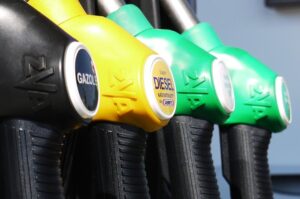
TBHQ (tert‑butylhydroquinone) non-food use- Cosmetics (lipsticks, lotions), pharmaceuticals, paints, varnishes, biodiesel, resins

BHA (butylated hydroxyanisole) non-food use- Cosmetics (lip balms, sunscreens), food packaging, rubber, petroleum products

BHT (butylated hydroxytoluene) non-food use- Cosmetics (deodorants, lipsticks, hair products), pharmaceuticals, jet fuels, rubber, plastics

What to do? All dog food that contains animal protein meals and animal fats is preserved to help prevent rancidity, including chicken meal, lamb meal, beef meal, and fish meal. However, not all dog food manufacturers use toxic preservatives. Check the dog food bag ingredients label for natural preservatives like vitamin C, vitamin E, Rosemary oil, or marked PRESERVED WITH MIXED TOCOPHEROLS.
Samples of popular dog food ingredients. The Good, The Bad, and the UGLY!
Ingredients: the GOOD
Deboned Chicken, Chicken Meal, Brown Rice, Barley, Oatmeal, Peas, Pea Starch, Miscanthus Grass, Natural Flavor, Dried Tomato Pomace, Potato Starch, Flaxseed (source of Omega 3 & 6 Fatty Acids), Chicken Fat (preserved with Mixed Tocopherols), Dried Yeast, Direct Dehydrated Alfalfa Pellets, Dicalcium Phosphate, Potassium Chloride, Calcium Carbonate, Salt, Dried Chicory Root, Choline Chloride, Alfalfa Nutrient Concentrate, L-Threonine, DL-Methionine, Taurine, preserved with Mixed Tocopherols, Dried Sweet Potatoes, Carrots, L-Carnitine, Zinc Amino Acid Chelate, Zinc Sulfate, Vegetable Juice for color, Glucosamine Hydrochloride, Ferrous Sulfate, Vitamin E Supplement, Iron Amino Acid Chelate, Blueberries, Cranberries, Barley Grass, Parsley, Turmeric, Dried Kelp, Yucca Schidigera Extract, Niacin (Vitamin B3), Calcium Pantothenate (Vitamin B5), Copper Sulfate, L-Ascorbyl-2-Polyphosphate (source of Vitamin C), L-Lysine, Biotin (Vitamin B7), Vitamin A Supplement, Copper Amino Acid Chelate, Manganese Sulfate, Manganese Amino Acid Chelate, Chondroitin Sulfate, Thiamine Mononitrate (Vitamin B1), Riboflavin (Vitamin B2), Vitamin D3 Supplement, Vitamin B12 Supplement, Pyridoxine Hydrochloride (Vitamin B6), Calcium Iodate, Folic Acid (Vitamin B9), Sodium Selenite, Oil of Rosemary.
Ingredients: the BAD
Corn Starch, Hydrolyzed Soy Protein Isolate, Coconut Oil, Tricalcium Phosphate, Partially Hydrogenated Canola Oil Preserved With TBHQ, Hydrolyzed Salmon, Powdered Cellulose, Corn Oil, Potassium Chloride, L-Threonine, Guar Gum, Dl-Methionine, Fish Oil, Choline Chloride, Calcium Carbonate, Magnesium Oxide, Vitamin E Supplement, Taurine, Zinc Sulfate, Dicalcium Phosphate, Salt, Ferrous Sulfate, Manganese Sulfate, Niacin (Vitamin B-3), Soybean Oil, Vitamin A Supplement, Copper Sulfate, Calcium Pantothenate (Vitamin B-5), Thiamine Mononitrate (Vitamin B-1), Vitamin B-12 Supplement, Riboflavin Supplement (Vitamin B-2), Pyridoxine Hydrochloride (Vitamin B-6), Garlic Oil, Folic Acid (Vitamin B-9), Calcium Iodate, Menadione Sodium Bisulfite Complex (Vitamin K), Vitamin D-3 Supplement, Biotin (Vitamin B-7), Sodium Selenite.
Ingredients: the UGLY
Ground Whole Grain Corn, Meat And Bone Meal, Corn Gluten Meal, Animal Fat (Source Of Omega 6 Fatty Acids [Preserved With Bha & Citric Acid]), Soybean Meal, Natural Flavor, Chicken By-Product Meal, Dried Plain Beet Pulp, Salt, Potassium Chloride, Brewers Rice, Ground Whole Grain Wheat, Choline Chloride, Calcium Carbonate, Dried Peas, Dl-Methionine, Natural Grilled Steak Flavor, Zinc Sulfate, Vitamin E Supplement, Monocalcium Phosphate, L-Tryptophan, Red 40, Yellow 6, Dried Carrots, Niacin [Vitamin B3], Blue 2, Yellow 5, D-Calcium Pantothenate [Source Of Vitamin B5], Copper Sulfate, Sodium Selenite, Potassium Iodide, Vitamin A Supplement, Riboflavin Supplement [Vitamin B2], Vitamin B12 Supplement, Thiamine Mononitrate [Vitamin B1], Vitamin D3 Supplement, Pyridoxine Hydrochloride [Vitamin B6], Folic Acid.
One more thing, for now- If you see “Preserved with Chicken Fat” in the ingredients, remember that Chicken fat is NOT a preservative. It gives the dog food more flavor, but the chicken fat is preserved with natural or toxic preservatives.