 I have been a “trainer” for many, many years. One of the most rewarding moments of my career is seeing a rescued or shelter dog start to shed the damage done to them and become trusting and resilient. I believe that most dogs with extreme anxiety and fear that have shut down from neglect, abandonment, or abuse can be rehabilitated through an exact process of behavioral conditioning, association, and exposure therapy IF it is done with professional guidance, patients…lots of patients, gentle loving care, and BABY STEPS.
An experienced, professional K9 trainer/teacher will know how to proceed and how much exposure to behavioral conditioning a dog that has given up and withdrawn from life can manage, and when to stop a training session by constantly monitoring the dog’s posture, physical signs, like panting, drooling, retreating, whining, crouching, or shaking. Short training sessions and short exposure ALWAYS have the best results without causing further emotional harm to the dog.
 Have you ever known someone who has a child who is afraid of water? You may remember hearing that the parents threw the child into a swimming pool. That is called FLOODING. Not because of the water but because it is an extreme version of exposure therapy.
Reality shows are famous for featuring people who suffer from arachnophobia being covered by spiders.
The theory behind this therapy is that the person will, over time, come to realize that what they feared most will never happen and, in turn, gradually lose their fear of the unknown. This extreme psychological exposure method forces a person, or a canine, to face one of their greatest fears all at once, and not slowly and gradually, a little at a time.

Fear is not logical to a human, so how can anyone expect a dog to rationalize what they are feeling? My fear is that anyone who thinks a “one and done” approach to “curing” a dog of being fearful is cruel and causes further emotional damage to the dog, or, further yet, a total shutdown.
 Without naming names of a well-known Dog Trainer, I have seen this procedure on videos, resulting in what I refer to as “Panic Attacks.” Yes, the dog is having a panic attack, but further yet, the dog panics and attacks the trainer/pet parent. If a small-breed dog is freaking out, scared of going into a travel bag, there could be no good outcome to forcing the dog into the bag and zipping it shut. Would you be surprised if the dog is let out of the bag and bites the trainer/pet parent?
 Exposure therapy done in “puppy-steps” (baby-steps) is a gentle way to build tolerance by introducing the trigger at low intensity for short periods of time.
During any of these exposure therapy sessions, the dog is constantly monitored for any sign of anxiety or stress and would be removed from the area of exposure to more familiar and comfortable surroundings. Being mindful is always of utmost importance.
Your dog should relate to you as a source of security and comfort.
 Gradual exposure to overcome fear is the best method for BUILDING CONFIDENCE for both pet and parent. When a pet parent experiences anxiety about taking their dog for a walk because of the dog’s reactivity, stemming from fear, it actually makes the dog’s fear-related behavior worse. In contrast, when the pet parent sees some improvement in the dog’s behavior, the pet parent in turn will also be less stressed and less reactive. The canine and its pet parent are a team that feeds off each other’s emotions.
A confident pet parent will always be more successful in teaching their dog to overcome reactive behaviors due to fear and anxiety.
Dogs that are fearful are usually afraid of more than one thing.
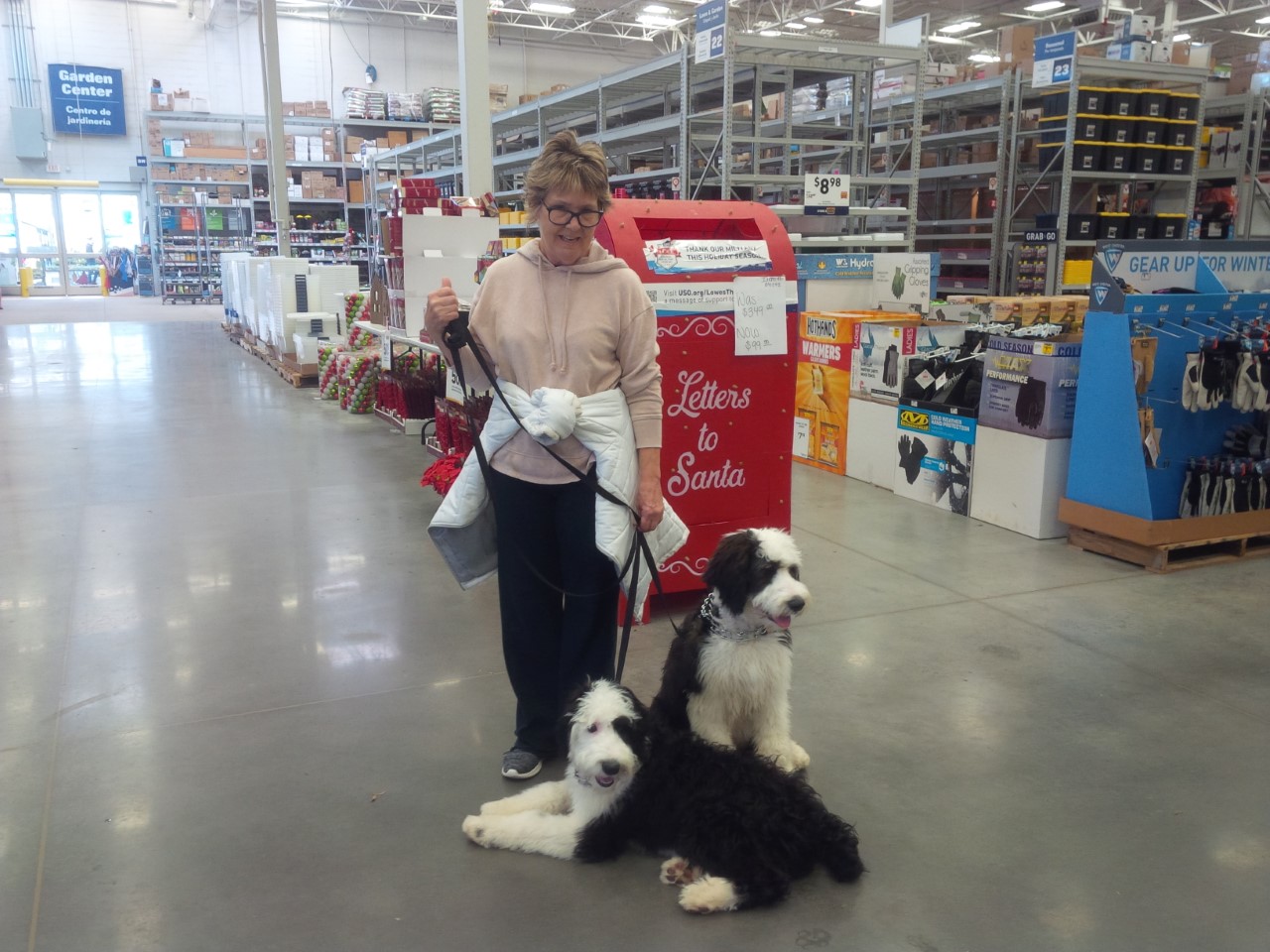
Let’s say your dog is fearful of cars and public places. So you begin by taking your dog to a Home Improvement center, for example. As soon as you take your dog out of your car, your dog demonstrates extreme fear of the parking lot, moving vehicles, and random people walking. You DO NOT force your dog to continue into the store. THAT would be FLOODING.
If you can take ten steps away from your vehicle with your dog and return to your car, calm your dog inside with toys or treats and a soothing voice, you have already succeeded in the beginning of exposure therapy. If possible, repeat after five or ten minutes.
If you cannot get any further than the first time, after a few attempts, call it a day and try again on another day. Exposure therapy should be minimal, brief, and repeated daily until your dog is comfortable before you move forward.
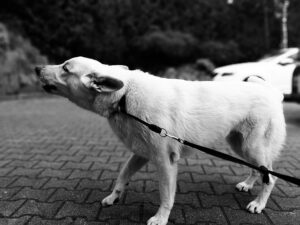
Flooding is dangerous, and the outcome is unpredictable. Your dog can shut down completely, worsen the fear, or cause the dog to become aggressive. It breaks any bond developing between dog and pet parent.